
Guides
Quick Links for Owners
Start with the resources customers ask for most. Use these guides to spot early warning signs and plan service before small issues become expensive repairs.
What to Watch For
Use these quick checks between visits. If you notice any of these, schedule diagnostics—catching issues early helps protect reliability and resale value.
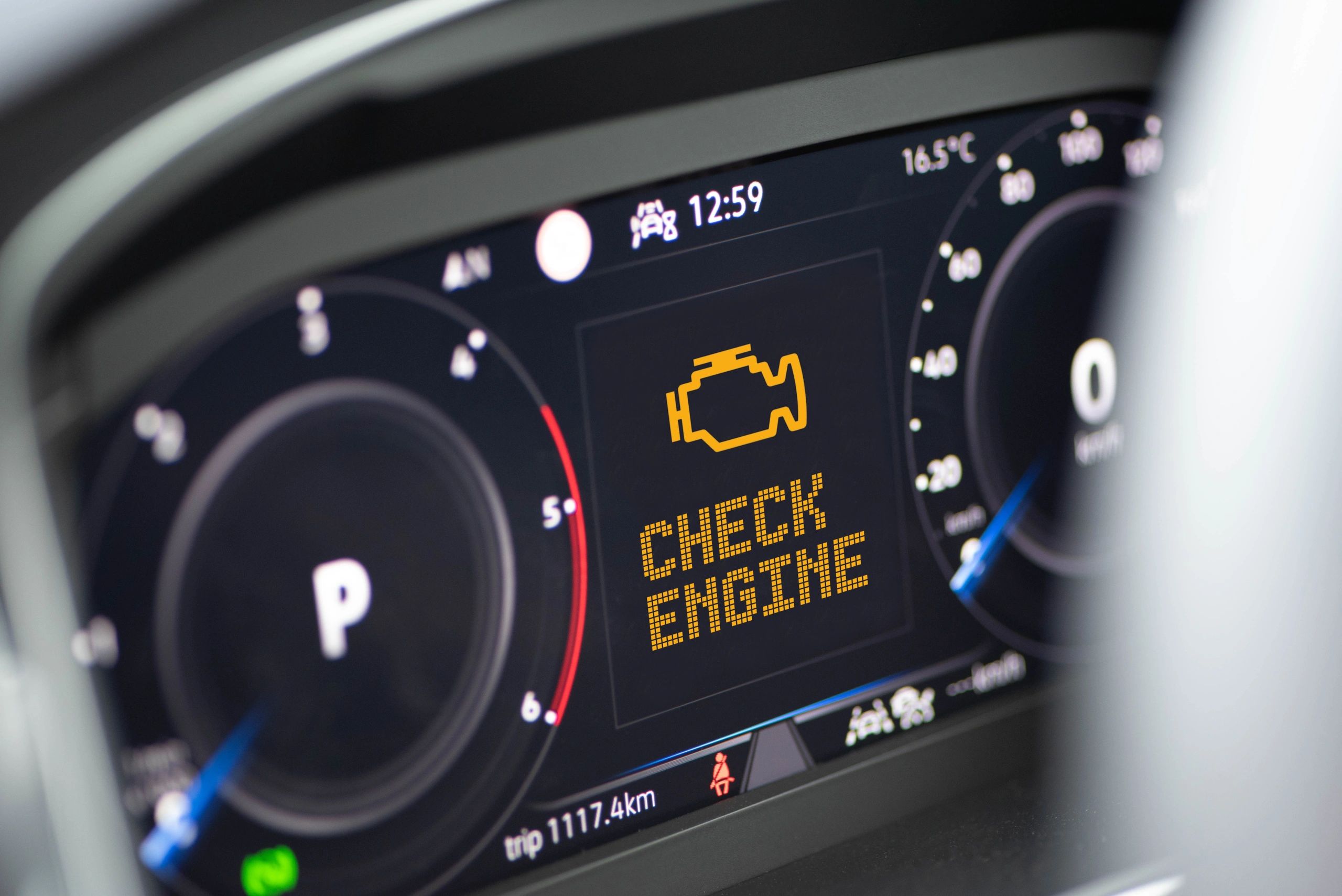
Dashboard Lights
A check engine, ABS, or TPMS light is a clue—not a verdict. We can scan codes and confirm the real cause.
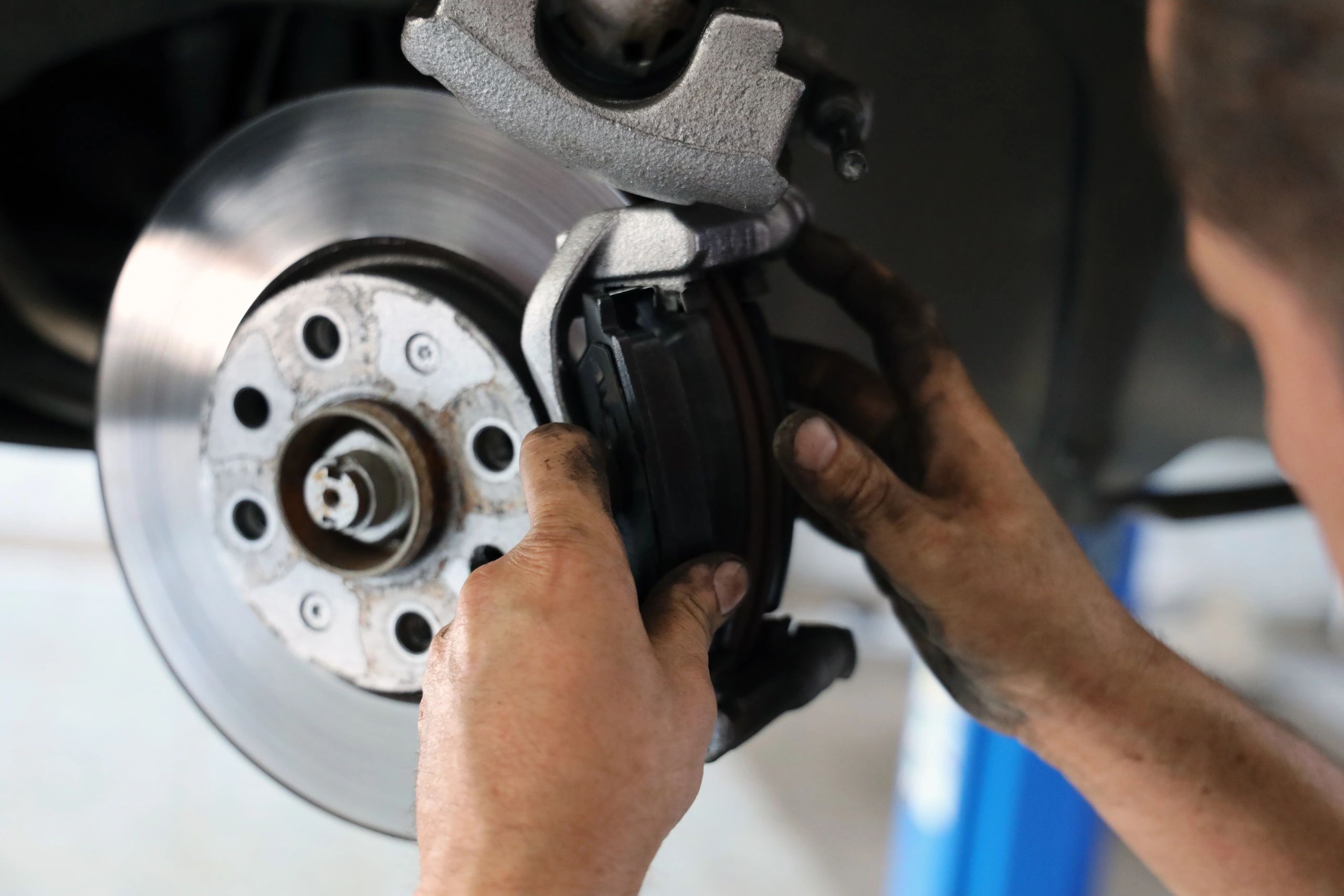
Brake Feel Changes
Squeaks, vibration, or a soft pedal often means pads, rotors, or fluid need attention before safety is affected.
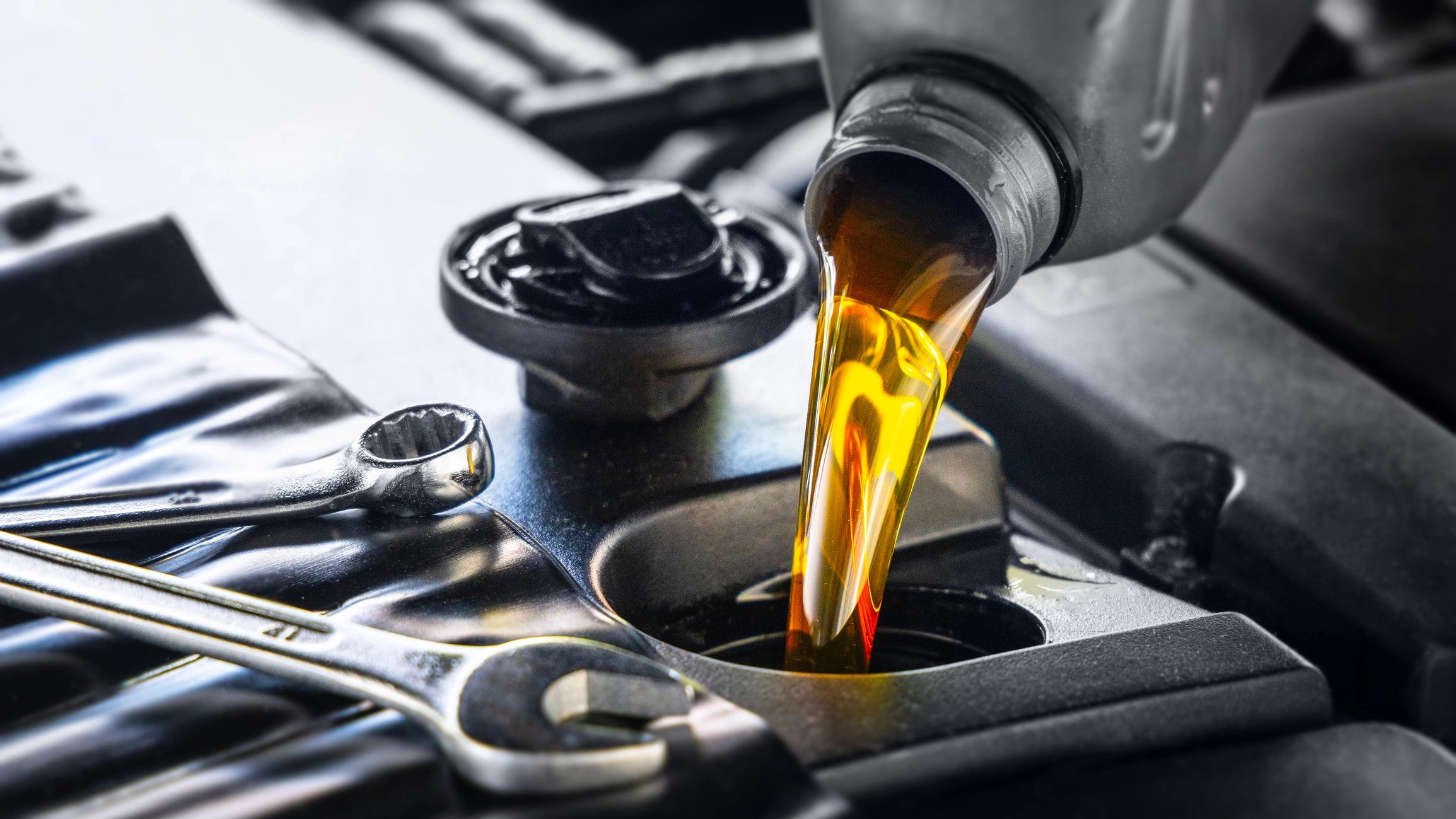
Fluid Leaks
Oil, coolant, or transmission fluid spots can indicate seals, hoses, or gaskets that should be addressed promptly.
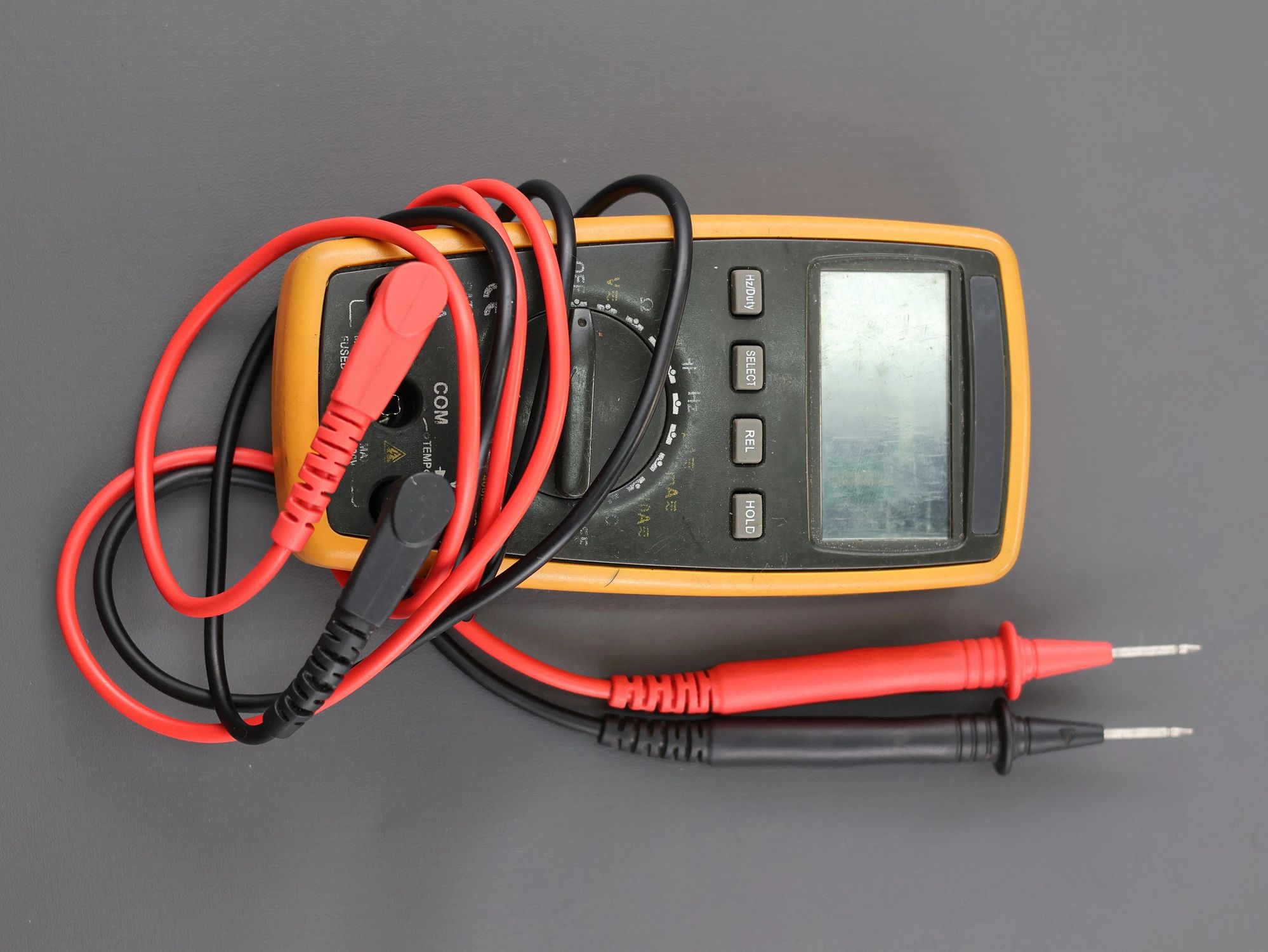
Starting & Charging
Slow cranks and dim lights can point to battery, alternator, or cable issues—testing prevents surprise no-starts.
Resources FAQ
General guidance for Japanese vehicles. For exact intervals and specifications, we’ll confirm using your VIN and current condition.
How often should I change my oil?
Most modern Japanese vehicles fall between 5,000–7,500 miles depending on oil type, driving habits, and engine design. If you do short trips or heavy stop-and-go, choose the shorter interval.
When should brake fluid be replaced?
Brake fluid absorbs moisture over time, which can reduce braking performance. A common interval is every 2–3 years, but we recommend testing and replacing based on condition.
What does a flashing check engine light mean?
A flashing light can indicate an active misfire that may damage the catalytic converter. Reduce load, avoid hard acceleration, and schedule diagnostics as soon as possible.
Do I need OEM parts?
For many Japanese vehicles, OEM parts provide the best fit and longevity—especially for sensors, ignition components, and critical engine or transmission items. We’ll recommend the best option for your budget and goals.
Can you diagnose intermittent issues?
Yes. We use scan data, road testing, and targeted inspections to reproduce symptoms. Sharing when it happens (cold start, highway, rain) helps us narrow it down faster.
How do I know if my tires are still safe?
Check tread depth, uneven wear, and age. If you’re unsure, we can measure tread, inspect for alignment issues, and recommend the right tire plan for your driving.